BrainyBEE UAV Formation Flight Operations
Intelligent Swarms: Enabling Mission-Level Applications of UAV Formations

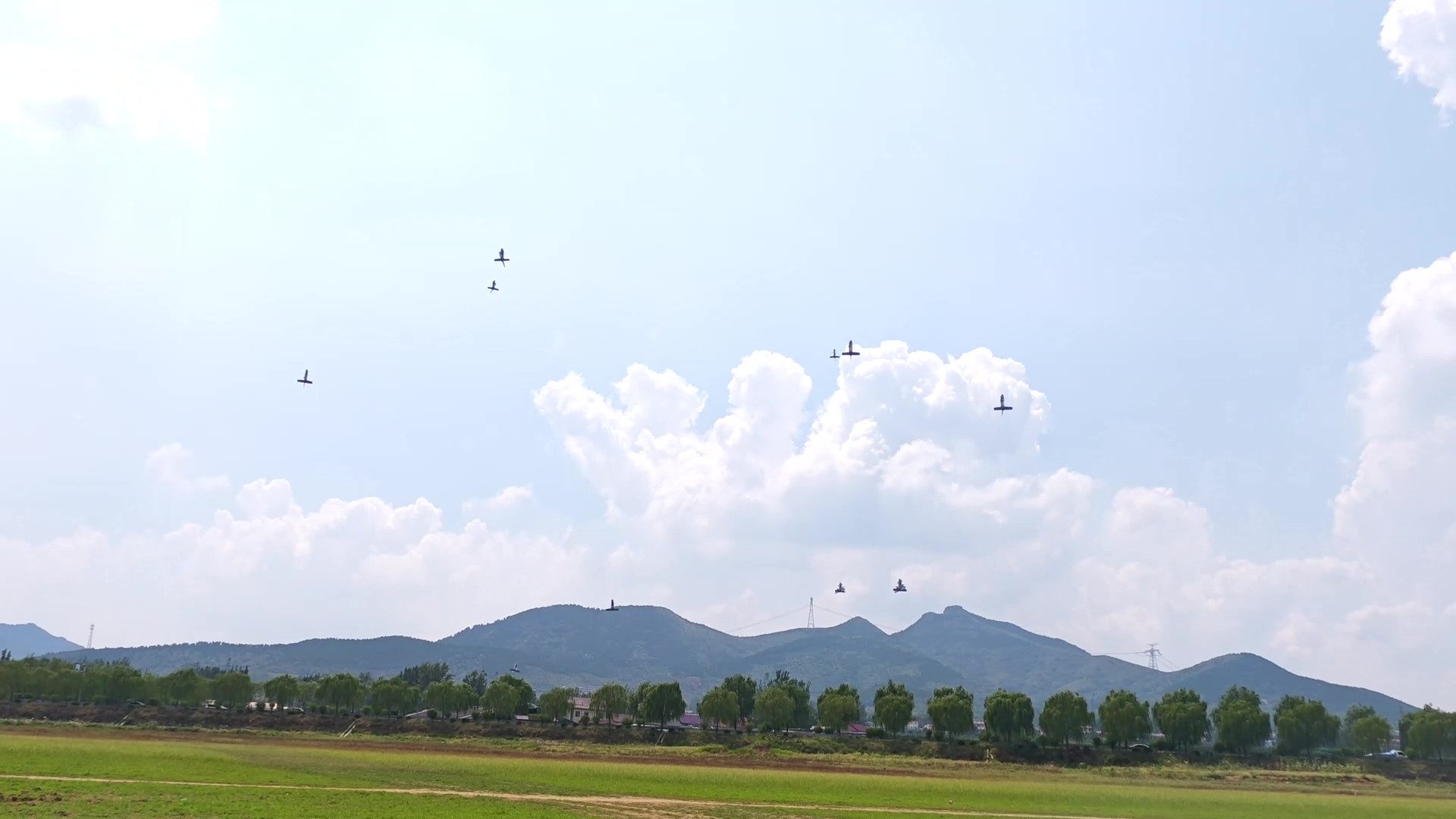
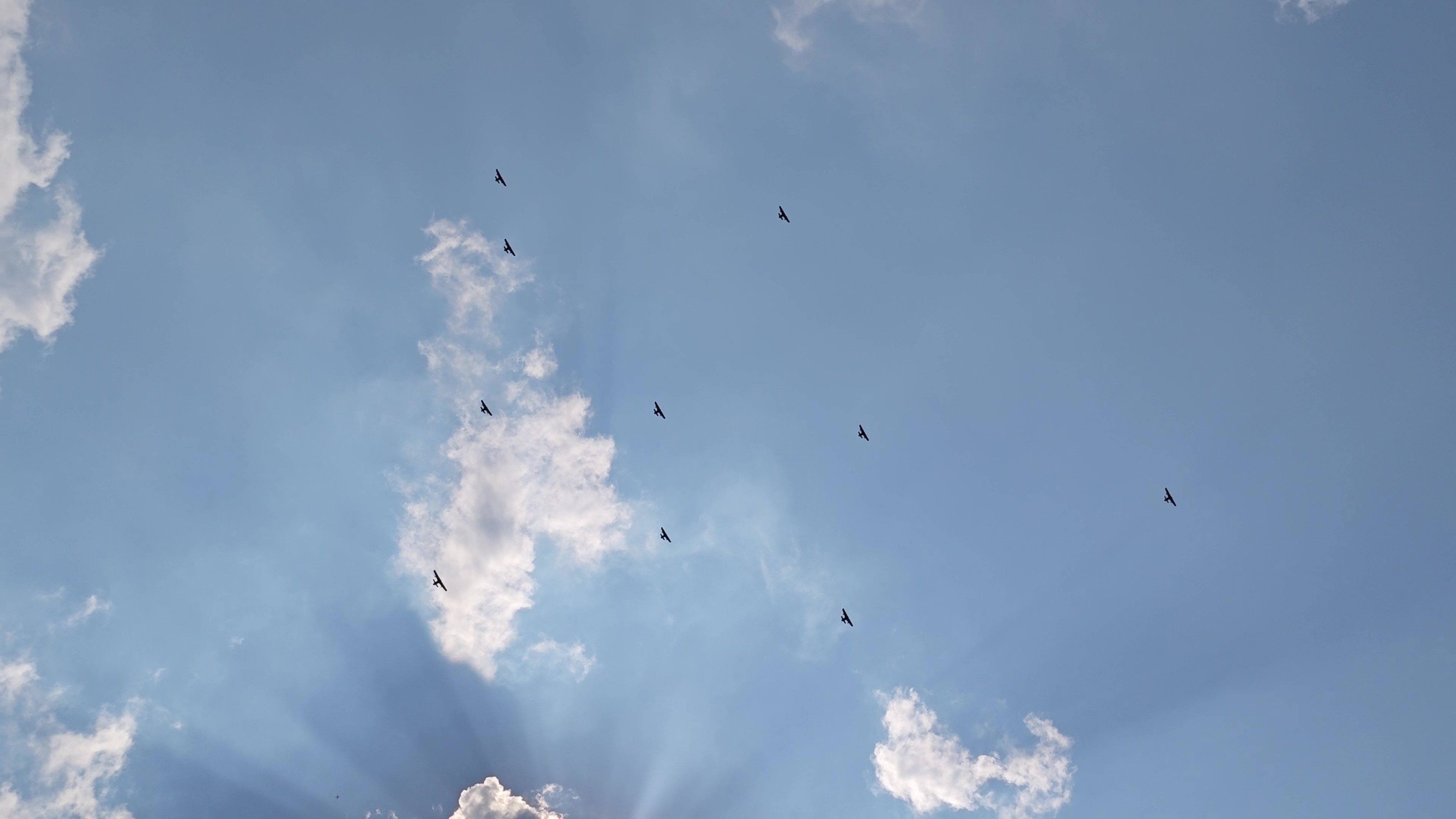
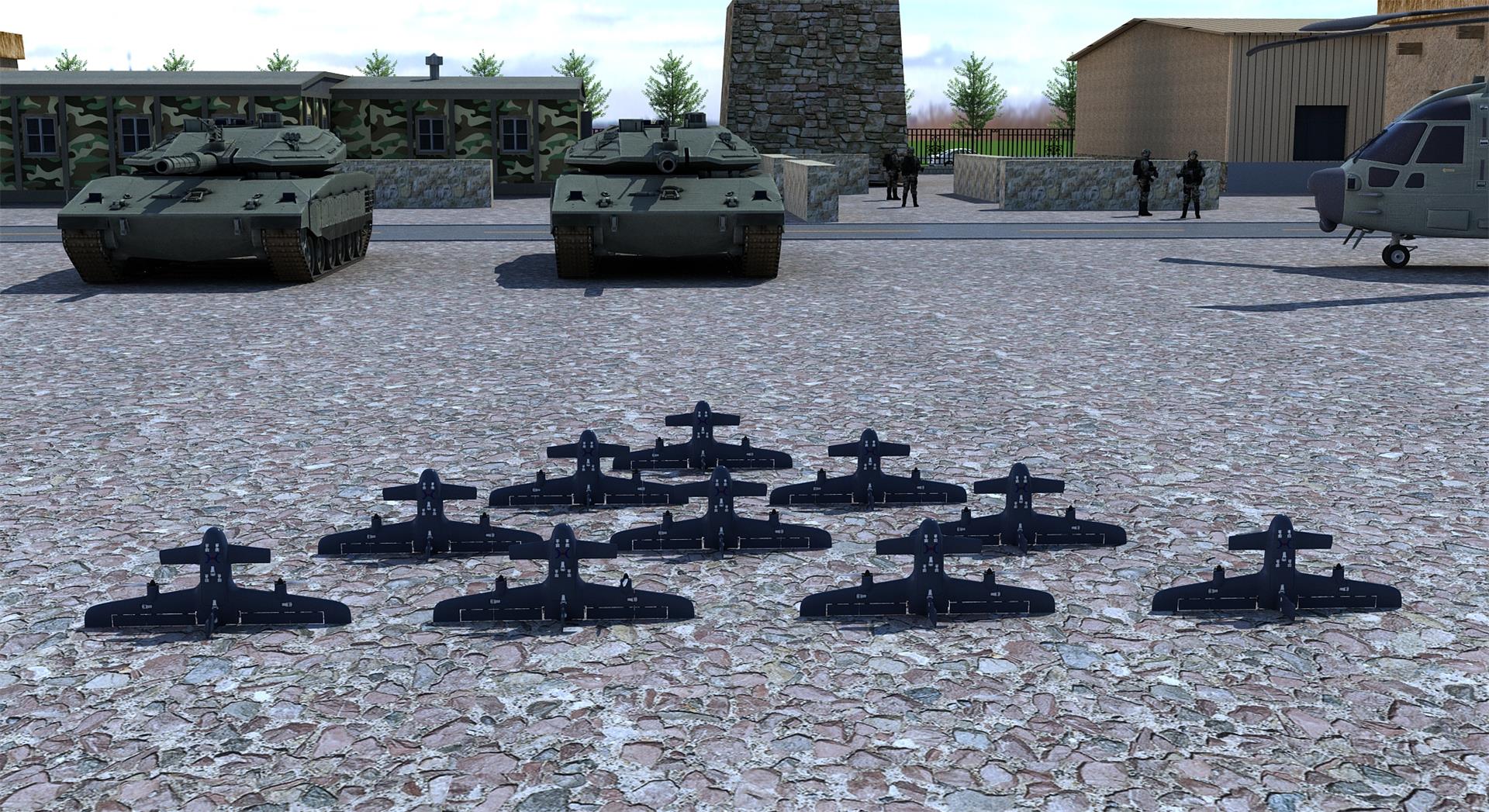
Relying on its independently developed intelligent control system and swarm technology, Xianghong Technology has broken through the traditional limitation of UAV formations being confined to demonstrations and performances, realizing true mission-level applications for industry. Multiple UAVs can operate in close formation under unified command or disperse flexibly to independently carry out reconnaissance, inspection, and operational tasks. Through swarm intelligence and adaptive coordination mechanisms, UAVs can maintain communication and task relay even in complex environments, achieving staggered succession over time and flexible distribution across space, thereby creating a broader coverage with no blind spots in operation. This breakthrough endows UAV formations with engineering practicality and mission-oriented value, opening up new solutions for multi-industry applications.
1757913269105550798271606ce5abd9d10ef74257033
Integration of Multi-Drone Coordination and Independent Operations

UAV swarms can maintain high-level coordination to perform formation flights and achieve wide-area coverage, while also dispersing rapidly to carry out reconnaissance, monitoring, or target engagement independently. Through intelligent task allocation and real-time information sharing, each UAV within the swarm functions both as part of the whole and as an independent unit. In complex mission environments, this mode allows seamless switching, ensuring overall efficiency while preserving individual precision, truly realizing an operational framework of “multi-capable integration and highly efficient collaboration.”

1757913269081d0b682246bc36367b54893dd9c82f2e6
Multi-Drone Control from a Single Terminal

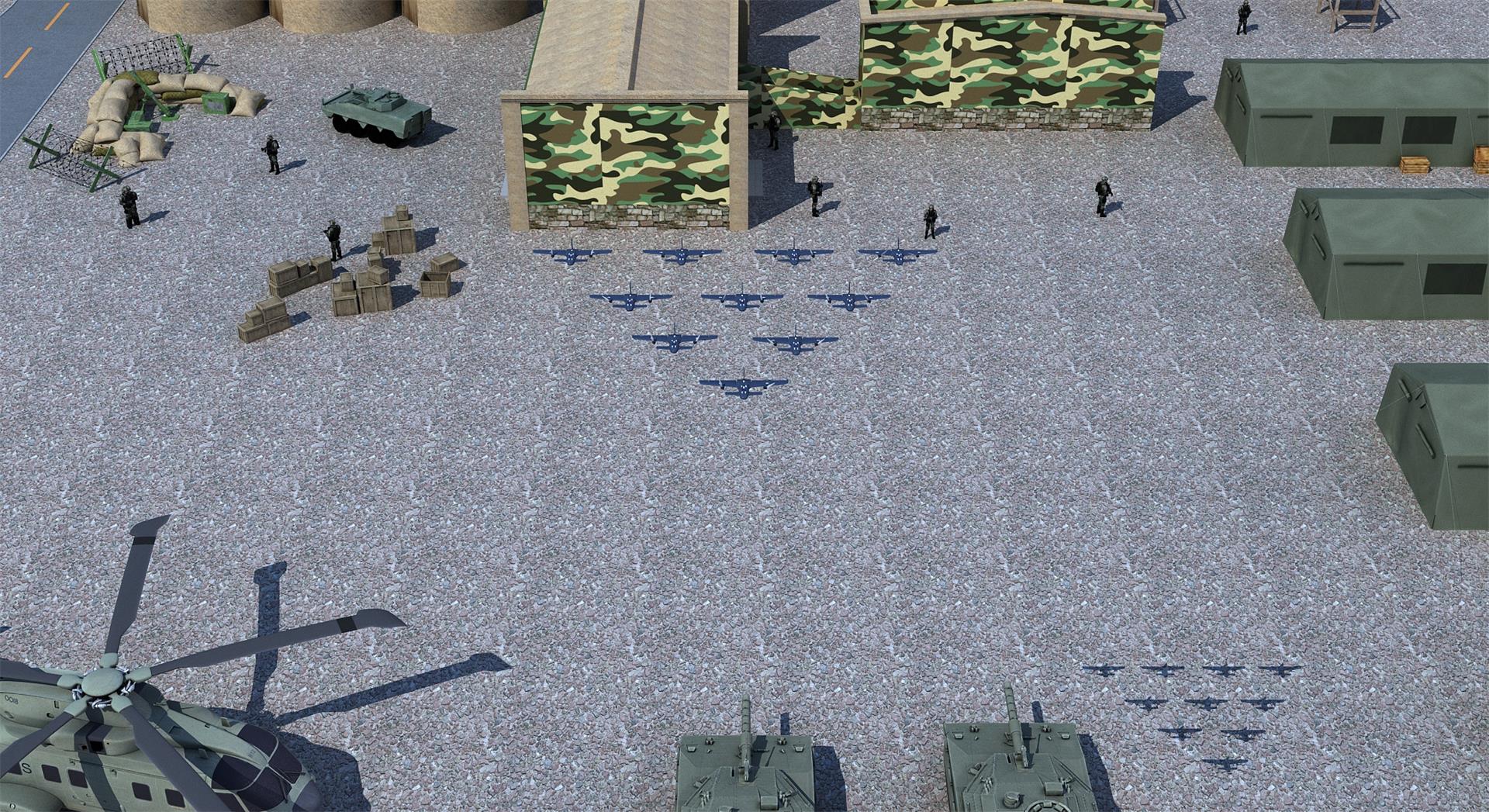
A single ground station can centrally coordinate multiple UAVs, integrating flight path planning, task assignment, and status monitoring. During operations, the control terminal can issue commands rapidly and switch seamlessly between different UAV perspectives, ensuring smooth task transitions and efficient information flow. This unified management approach greatly simplifies operational procedures while significantly enhancing the efficiency and reliability of multi-drone collaborative missions.

Adaptive Capabilities and Scalability

UAVs can autonomously perform task relay and division of labor, forming highly coordinated “swarm intelligence” without relying on a single command node. This self-organizing capability enables stable and efficient operations even in dynamic environments. At the same time, the swarm size can be rapidly scaled according to mission requirements, flexibly adapting from small-scale tasks to large-scale deployments, demonstrating strong mission expandability and system-level application potential.

Seamless View Switching and Comprehensive Control

Each UAV can be equipped with mission payloads, transmitting multi-dimensional video and operational data in real time. The ground station can flexibly switch to any individual’s feed as needed, balancing full situational awareness with precise localized reconnaissance. Through this panoramic and visualized scheduling approach, operators can continuously track targets, assess environments, and issue commands, ensuring efficient execution and complete control of complex missions.

Dual Optimization in Time and Space

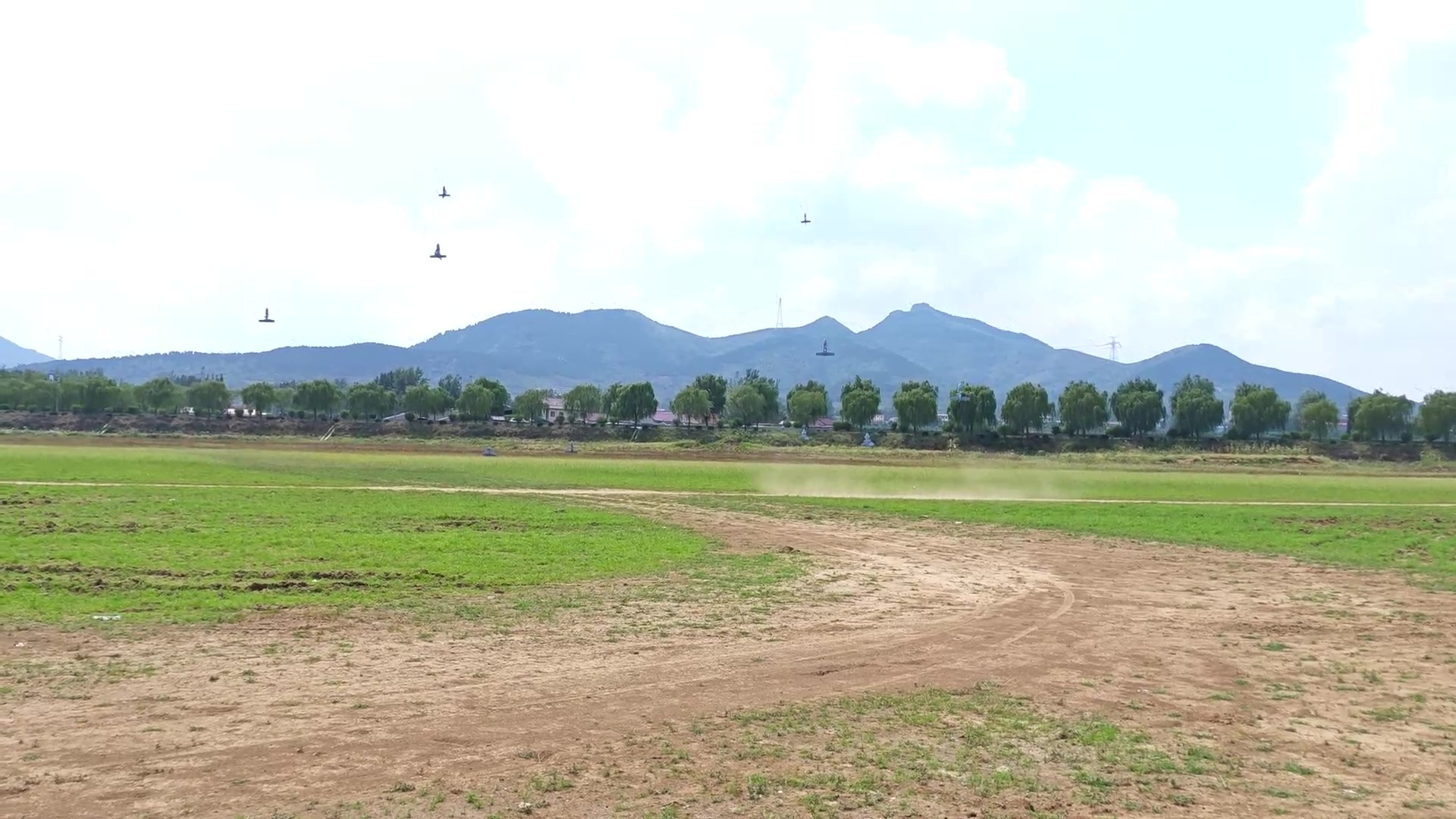
With a vertical takeoff and landing design, UAVs are free from terrain and site limitations, offering greater environmental adaptability. During missions, the swarm can achieve staggered relay over time to ensure continuous operation, while flexibly distributing in space to form a wide-area, multi-layered coverage network. Through this dual optimization of time and space, operations maintain continuity while eliminating blind spots, creating a more efficient and resilient operational framework.

17579132691870f5cf2980a4addf6ee35a7fde77271a6
1757913269081e655733fc8f29683f1cb9211f58d331b
1757913269410fc79934a0f77c2d9113aaf2ae56b6fed
  • Reconnaissance Operations
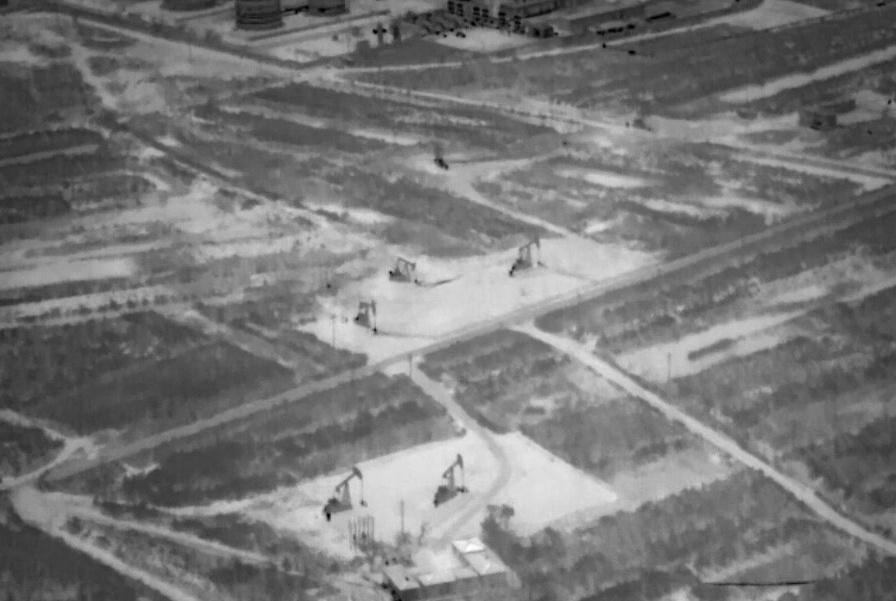
    UAV swarms can collaboratively carry out reconnaissance missions, exchanging real-time information among multiple platforms to ensure critical areas are covered without blind spots. Through intelligent task allocation and relay mechanisms, each UAV can perform independent reconnaissance while the overall swarm maintains efficient coordination, supporting systemized operations in complex environments. The ground station can task targets at any time and obtain multi-angle, multi-spectral video for precise localization and rapid response, providing reliable data support and fire support for major operational missions.
  • Border Patrol
    UAV swarms can provide all-weather, all-directional coverage of border regions, enabling long-duration monitoring and rapid situational awareness. Through intelligent scheduling, the swarm can flexibly distribute according to mission needs, forming a dense detection network. Real-time image transmission and data sharing ensure timely and accurate decision-making, offering strong support for border management and emergency response while significantly enhancing patrol efficiency and coverage.
  • Forest Firefighting
    UAV formations can continuously patrol and monitor large areas, detecting fire sources in real time and issuing early warnings. Multi-spectral gimbals can monitor smoke, flames, and temperature changes, and when combined with intelligent route planning, can dynamically analyze the spread of fires. Additionally, some UAVs can carry out material delivery or firefighting tasks, enabling rapid response and multi-task coordination, greatly enhancing fire prevention efficiency and safety.
Application Scenarios